 Chat to Order

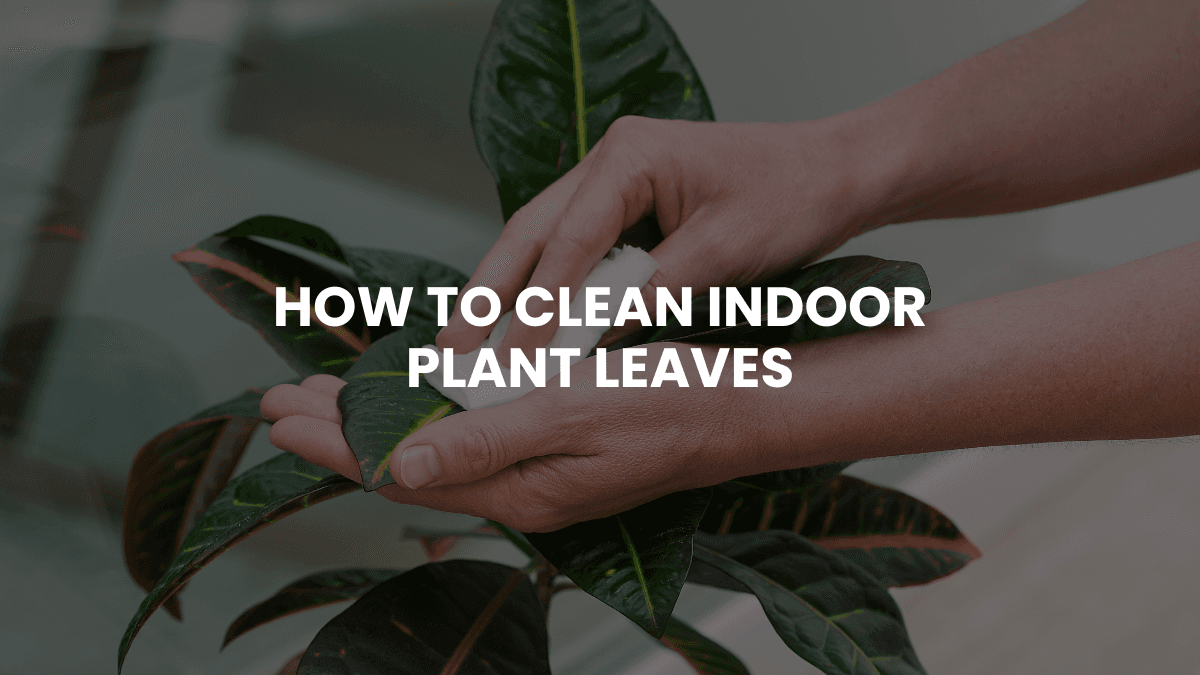
How to Clean Indoor Plant Leaves: The Complete Guide to Dust-Free & Shiny Houseplants
Cleaning indoor plants is not much of a hassle, but if you are new to indoor balcony gardening, you might get confused by all the hacks lurking on the web.
The best way to clean indoor plant leaves is a simple wipe-down with a damp, soft cloth. For most houseplants, plain lukewarm water does the job perfectly. If your leaves are sticky, bug-covered, or dull from mineral buildup, you'll want to step up to a mild soap solution for cleaning the leaves.
What Is the Best Way to Clean the Leaves of Indoor Plants? Complete Guide from an Expert
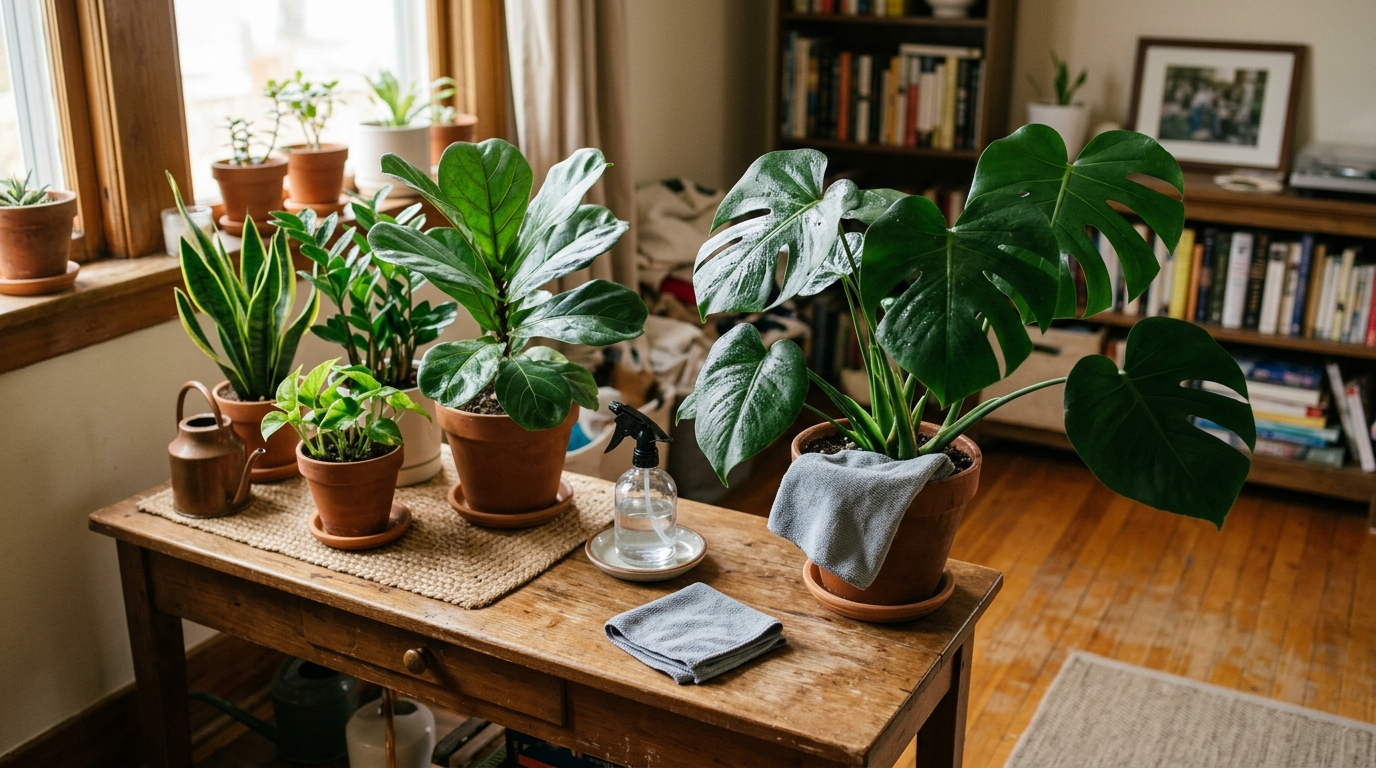
These are the most effective ways to clean indoor plant leaves without damaging them.
Step-by-Step: The Right Way to Wipe Down Leaves
Support the leaf from underneath: Always place one hand under the leaf while wiping with the other. Leaves are delicate. They can snap at the stem if you push on them unsupported.
Wipe in one direction: Work from the base of the leaf toward the tip, following the natural direction of the veins. Avoid circular scrubbing motions, which can stress the leaf surface.
Always use a soft cloth: Microfiber cloths are ideal. Cotton works too. Just avoid paper towels. They are rougher than they feel and can leave micro-abrasions.
Don't forget the undersides: Pests colonize the undersides of leaves first. A clean top surface with an untouched underside is an open invitation.
Let leaves dry in indirect light: After cleaning, don't move freshly wet plants into direct sun. Water droplets on leaves in direct sunlight can act as magnifying lenses and scorch the surface.
DIY Methods to Clean Indoor Plant Leaves
Use Milk To Make the Leaves of Indoor Plants Clean and Shiny
This one surprises people, but cleaning plant leaves with milk is a genuinely useful technique. The proteins and fats in milk act as a gentle surfactant that lifts grime, and the resulting thin film gives leaves a subtle shine.
How to do it:
- Dilute full-fat or semi-skimmed milk with water in a 1:1 ratio.
- Dampen a soft cloth with the mixture (don't soak it).
- Wipe each leaf.
It's particularly nice on large-leafed plants like Rubber Trees (Ficus elastica), Elephant Ears (Alocasia), and ZZ plants.
One note: Use this occasionally, not as your regular go-to. Weekly milk applications can eventually invite mold if moisture lingers.
Clean Plant Leaves with Vinegar
Vinegar is one of those cleaning staples people reach for instinctively. But with low-maintenance indoor plant leaves, it requires care. Undiluted vinegar is acidic enough to damage the leaf's cuticle and cause brown, crispy edges.
Used correctly, diluted vinegar is safe and effective for:
- Removing hard water spots and mineral deposits (the chalky white marks left by tap water)
- Light disinfection when you've had a pest outbreak
The right ratio: 1 tablespoon of white vinegar to 1 cup of water. No stronger.
Cleaning Plant Leaves with Alcohol
Using alcohol to clean plant leaves is a smart move, but it requires extreme care. It gives 3 benefits to your plant: cleaning, shining, and killing common houseplant pests.
Method: Dip a cotton swab or soft cloth in a solution of 1 part isopropyl alcohol to 3 parts water. Apply directly to affected areas. For a broader clean, wipe the whole leaf surface and follow with a plain water rinse.
How Often Should You Clean Plant Leaves?
Generally, you should clean the plant leaves every 2 weeks. However, there are some exceptions that push you to clean them more.
High-Traffic Areas: Plants that are near doors, windows, or busy halls pick up dust more quickly.
Renovations or building: When work is going on nearby, the dust levels go up.
Grease from the Kitchen: Houseplants grown in or near the kitchen may get a sticky coating from cooking oils, making dust mites more difficult to escape.
Plants With Big, Glossy Leaves: Fiddle leaf figs, rubber trees, and monstera attract dust because of their huge surfaces.
Fuzzy or Textured Leaves: Plants like African Violets or certain Calatheas have tiny hairs that trap debris and dirt from the environment.
Here's a rough guide to caring for indoor plants.
| Plant Type | Cleaning Frequency |
| Large-leafed tropicals (Monstera, Fiddle Leaf Fig) | Every 2–3 weeks |
| Succulents and cacti | Monthly or less |
| Ferns and palms (delicate fronds) | Monthly, gentle dusting only |
| High-traffic/dusty environments | Weekly |
| Low-traffic, filtered air environments | Every 4–6 weeks |
Cleaning your plant leaves isn't a chore that requires special products or a complicated system. Water and a soft cloth handle 90% of situations.
To buy the best indoor plants, you can contact Gulab.pk. We offer a wide variety of healthy, well-maintained indoor plants perfect for homes and offices, along with expert guidance on plant care.