 Chat to Order

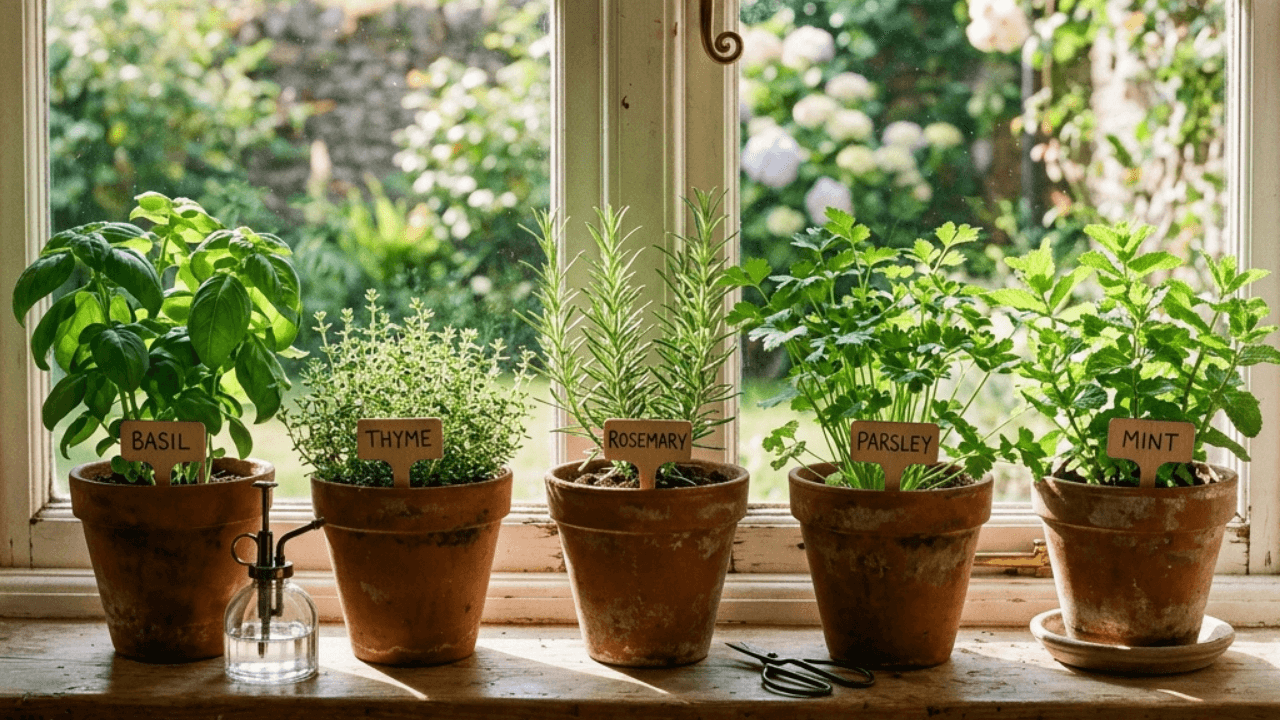
10 Most Common Culinary Herbs You Can Grow at Home
The most common culinary herbs to grow at home are mint, basil, coriander, chives, curry leaf plant, elaichi plant, lemongrass, thyme, oregano, ajwain plant, and betal leaf plant. These herbs adapt well to Pakistani conditions.
The 10 Most Common Culinary Herbs to Grow at Home
Here's a closer look at these cooking herbs to grow in your own pot.
Basil
Basil is on just about every list of best herbs to grow at home. It needs at least six hours of direct sunlight per day, and the soil should never be allowed to go completely dry.
Mint (Pudina)
Mint, also known as pudina, is likely the most common culinary herb in Pakistani kitchens.
Additionally, it is the one herb that should never be planted in a shared bed.
Mint prefers soil that is regularly wet and can withstand some shade. For optimal growth, trim it frequently.
Coriander (Dhania)
Coriander, or dhania, is a kitchen staple, but it's also the herb most beginners give up on because it bolts (flowers and turns bitter) so fast.
Sow seeds directly where you want the plant to grow, since the taproot resents transplanting. Give it morning sun with afternoon shade, and water moderately.
Curry Leaves (Kadi Patta)
Curry leaf tree is a small tree, not a delicate annual, so it handles Pakistan's heat well and wants full sun plus fast-draining soil.
Buy a nursery-grown herb plant for your kitchen garden rather than starting from seed.
Parsley
It handles partial shade better than basil or oregano, though six to eight hours of sun produces the fullest growth. Keep soil evenly moist, since parsley wilts fast once it dries out completely.
Rosemary
Rosemary is a woody, drought-tolerant shrub. Full sun and sharp drainage matter more than fertilizer here. Overwatering, not underwatering, kills most rosemary plants, since the roots rot fast in soil that stays soggy.
Thyme
Thyme is low, spreading, and almost stubbornly easy once established. Like rosemary, it wants full sun and soil on the drier side. Rich, heavily fed soil actually weakens its flavor, so resist the urge to fertilize often.
Oregano
Oregano carries the same Mediterranean toughness. It wants six to eight hours of direct sun and soil that drains well. Established plants shrug off short dry spells.
Chives
Chives taste like a mild, grassy cousin of green onion. They grow happily in full sun to partial shade and don't ask for much beyond regular watering.
Dill (Suva)
Dill, known locally as suva or sowa. It's a cool-season herb, like coriander, and bolts fast once the weather turns hot. Sow it directly in its final pot, since the taproot doesn't tolerate transplanting well.
Grow Your Kitchen Herb Garden with Gulab.pk
Ready to grow fresher, more flavorful meals at home? Explore Gulab.pk’s range of quality herbs, seeds, and gardening essentials to start or expand your kitchen herb garden. With the right plants and a little care, you can enjoy homegrown flavor all year round.
Frequently Asked Questions About Growing Culinary Herbs at Home
Which herbs are the easiest to grow at home for beginners?
Mint, chives, and coriander forgive the most mistakes. They tolerate irregular watering and average soil, which makes them the best herbs to grow at home if you're just starting out.
Can these culinary herbs grow indoors, or do they need an outdoor garden?
Most do fine indoors on a windowsill that gets five to six hours of direct light.
How often should home-grown herbs be watered?
Check the top inch of soil with a finger before watering.
Do all herbs need their own pot, or can they share one planter?
Most can share a large planter without trouble. Mint is the one exception. It should always get its own container, since its runners crowd out anything planted nearby.
Which herbs suit Karachi's heat versus Islamabad's cooler winters?
Karachi’s hot, humid summers favor heat-tolerant herbs, while Islamabad’s colder winter nights are better for cool-season and hardy Mediterranean herbs.