 Chat to Order

Best Low-Maintenance Fruit Trees and How to Grow Them
The best low-maintenance fruit trees that you can easily grow in your pots and backyard are: fig, pomegranate, mulberry, Meyer lemon, and Pawpaw. Before you get skeptical about growing fruit trees easily, these are the factors that make it possible.
- Self-pollinating types do not need more than one tree.
- Disease-resistant varieties lessen the need for chemical treatments and other interventions.
- Once established, drought-tolerant species do well with little watering.
The easiest fruit trees to grow share common traits: they adapt to various soil types, resist common pests naturally, and produce reliable harvests.
The Easiest Fruit Trees to Grow at Home
Fig Trees
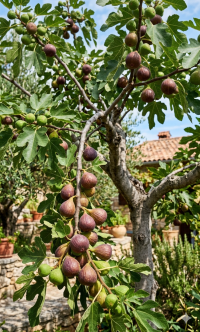
Figs consistently rank among the easiest fruits to take care of in home gardens. These Mediterranean natives adapt to various climates and soil conditions with remarkable flexibility.
Top Features:
- No pollination needed
- Its milky sap provides natural pest resistance
- Has strong drought tolerance
- Container-friendly tree
Persimmon Tree
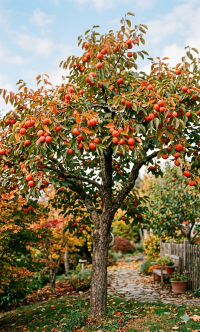
Persimmons are the "set it and forget it" trees of the orchard world. These fruit trees are rarely bothered by pests or diseases and look like beautiful ornamentals in the fall.
- Why they're easy: No major pruning is required, and they have a beautiful, natural shape.
- Best Varieties: 'Fuyu' (you can eat these crunchy like an apple) or 'Hachiya' (wait until they are jelly-soft).
- Pro Tip: They are late bloomers, which means they usually avoid the "late frost" that kills the flowers on other fruit trees.
Pawpaw (Asimina triloba)
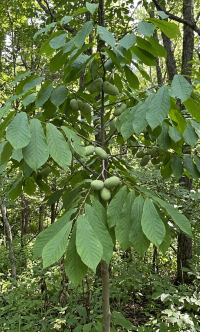
If you live in a temperate climate (like the Eastern US), the Pawpaw is a hidden gem. It’s a native tree that produces a fruit tasting like a cross between a banana and a mango.
- Why they're easy: Since they are native, they are already adapted to local pests and soil. They even prefer a bit of shade when young.
- Note: You usually need two different varieties for cross-pollination to get fruit.
- Pro Tip: Use organic mulch to keep the roots cool and moist, mimicking their natural forest floor habitat.
Plum Trees
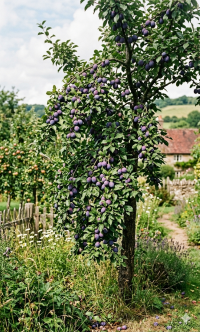
Plums rank among the best low-maintenance fruit trees for backyard cultivation.
Plums thrive in various soil types and require less precise pH levels than cherries or peaches. Plant in full sun, water regularly the first year, then allow established trees to largely fend for themselves.
Mulberry Trees
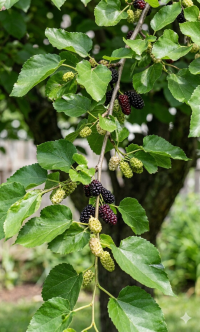
Mulberries grow almost anywhere, tolerating pollution, poor soil, drought, and neglect that would kill less resilient species. They're among the easiest fruit trees to grow in small gardens when planted on dwarfing rootstocks or kept pruned to manageable sizes.
White mulberries and hybrid varieties like 'Illinois Everbearing' produce sweet fruit over extended periods, often 2-3 months. Birds love mulberries, which actually helps by attracting them away from other fruit crops.
These easy plants fix nitrogen, improving soil quality rather than depleting it. Plant in full sun to part shade; mulberries adapt to both. They're exceptionally drought-tolerant once established and require virtually no pest or disease management.
Best Varieties: 'Dwarf Everbearing' (stays manageable at 2-6 feet).
How to Grow Low-Maintenance Trees Easily?
To keep maintenance low over the long term, you have to do the heavy lifting in the first hour of planting:
- Pick the Right Spot: Ensure it gets at least 6–8 hours of sun. Most fruit failures come from trees struggling in the shade.
- Dig a "Ten-Dollar" Hole: Dig a hole twice as wide as the root ball but no deeper. Planting a tree too deeply is a common cause of rot.
- Use Mulch: Apply a 3-inch layer of wood chips or straw around the base (but not touching the trunk). This keeps weeds down and moisture in, so you don't have to weed or water as often.
- Water Deeply, Not Often: For the first year, water once or twice a week with a slow soak rather than a daily sprinkle. This encourages roots to grow deep into the earth, where they can find their own water later.
- Choose Dwarf Rootstock: Always look for the word "Dwarf" on the tag. This ensures the tree won't grow 30 feet tall, saving you from having to use a ladder or do heavy pruning.
Creating Your Low-Maintenance Fruit Garden with Gulab.pk
At Gulab.pk, our professional horticulturists are experts in providing the hardiest, climate-adapted fruit trees that thrive in local conditions with minimal fuss. Visit the website today to find the perfect low-maintenance addition to your garden and let nature do the heavy lifting for you.