 Chat to Order

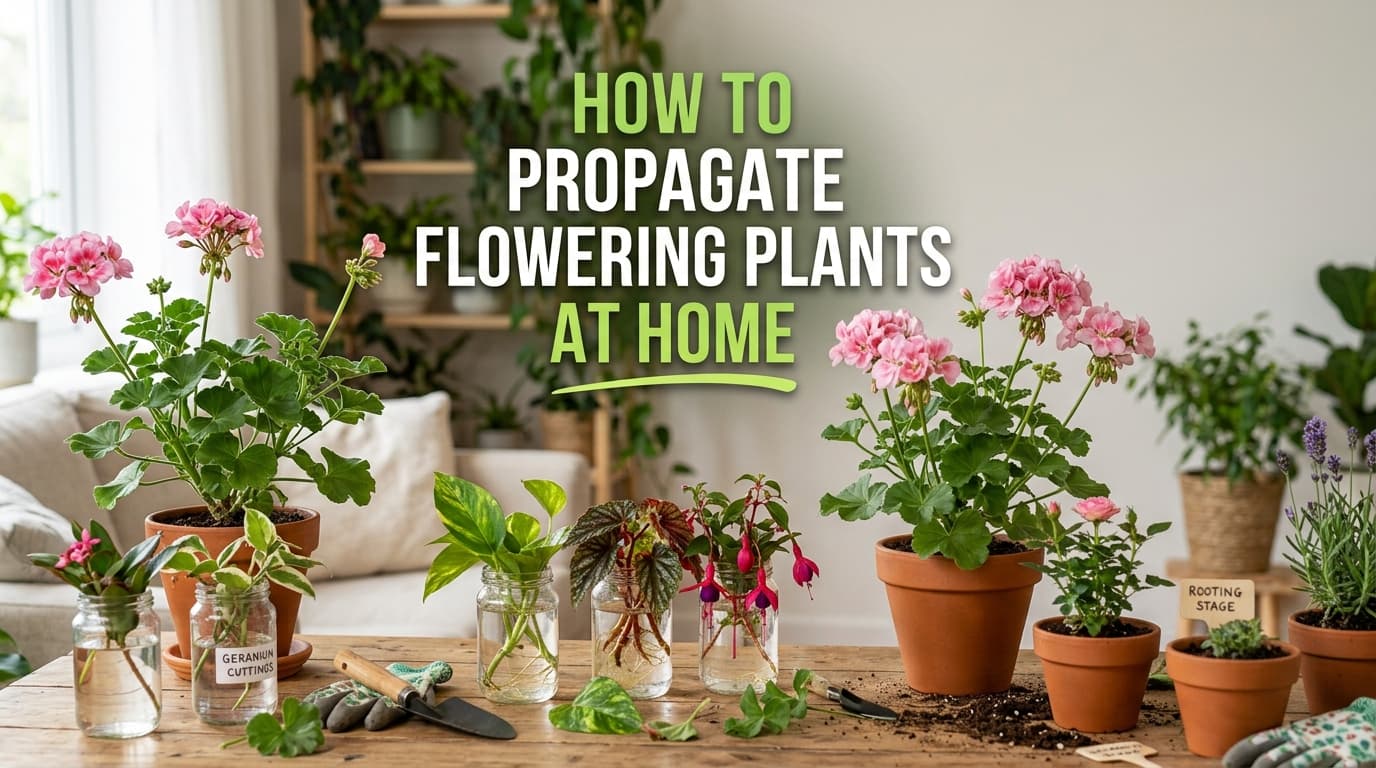
How to Propagate Flowering Plants at Home (Step-by-Step Guide)
Propagating flowering plants means taking a piece of a healthy, existing plant and encouraging it to grow into a brand-new one. The most practical way to do it is through stem cuttings: snip a 4- to 6-inch section just below a leaf node, strip the lower leaves, dip the base in rooting hormone, and place it in a moist growing medium. Within 3 to 6 weeks, most flowering plants will develop their own root system and be ready to grow independently.
Choosing the Right Propagation Method for Your Flowering Plant
Not every plant responds the same way to every method. Using the wrong technique wastes time and material. Here is a quick reference.
| Propagation Method | Best For |
| Stem Cuttings | Roses, hydrangea, bougainvillea, petunias, geraniums |
| Leaf Cuttings | African violet, begonia |
| Root Division | Dahlias, daylilies, hostas, coneflowers |
| Layering | Jasmine, climbing roses, azaleas |
| Seed Propagation | Marigolds, zinnias, cosmos, sunflowers |
For most home gardeners working with common ornamental flowering plants, stem cuttings and division are the two methods worth learning first.
What You Need Before You Start
Getting your tools ready before you take a single cutting makes a real difference in success rate. Cuttings are vulnerable from the moment they are separated from the parent plant, so every minute counts.
Essential tools and materials:
- Sharp pruning shears or a clean craft knife (blunt tools crush the stem, which slows rooting)
- Rooting hormone powder or gel
- Small pots or seed trays with drainage holes
- A well-draining propagation mix: a 50/50 blend of perlite and peat moss, or clean coarse sand and coco peat
- Clear plastic bags or a humidity dome
- A spray bottle for misting
- Isopropyl alcohol or diluted bleach to sterilize your tools
How to Grow Flowering Plants from Stem Cuttings: Step by Step
This is the method that works for the widest range of flowering plants.
Step 1: Pick the Right Parent Plant and Stem
Only take cuttings from plants that are healthy, pest-free, and actively growing. Avoid any stem that is in bloom or carrying a bud. The plant's energy follows where the hormones are, and during flowering, that energy goes into the flower rather than root development. You want stems with fresh, green, non-flowering growth.
Step 2: Make a Clean Cut
Cut a stem that is 4 to 6 inches long. The cut should be made just below a leaf node at a 45-degree angle. The angled cut increases the surface area exposed to moisture and nutrients, which helps the cutting stay hydrated while roots are forming.
Step 3: Apply Rooting Hormone
Dip the cut end into water first, then into rooting hormone powder so it adheres properly. Tap off the excess.
Gel formulations tend to coat the stem more evenly than powder. Either works well for most flowering plants.
Step 4: Plant in Propagation Medium
Make a small hole in your moist propagation mix with a pencil or stick before inserting the cutting. This prevents you from wiping the rooting hormone off when you push the stem in. Firm the mix gently around the stem so it stands upright.
Step 5: Create a Humidity Environment
Cover the pot with a clear plastic bag or plastic wrap, or place it under a humidity dome. The goal is to keep humidity high around the cutting while it is developing roots, without letting water sit on the leaves. If condensation collects heavily on the plastic, open it briefly each day to let some air circulate. Good airflow prevents mold.
Step 6: Wait and Watch
Place the pot in bright, indirect light. No direct sun at this stage, as it dehydrates unrooted cuttings fast. Check daily for moisture and any signs of rot. Most flowering plant cuttings begin developing roots within 3 to 6 weeks, though some slower-rooting species like hydrangeas may take up to 8 weeks.
Mistakes That Kill Cuttings Before They Root
Most propagation failures are not bad luck. They follow a pattern. Here are the ones that come up most often:
- Taking cuttings from flowering stems. A stem in bloom puts its energy into the flower. It will not divert that energy to making roots. Always choose non-flowering growth.
- Using a blunt or contaminated tool. Crushed stem tissue rots more easily. Dirty tools introduce pathogens.
- Too much water. The propagation mix should be moist, not soggy. Waterlogged medium causes stem rot before roots can form.
- Too much direct sunlight. Without roots to take up water, cuttings dehydrate quickly under strong light.
Get Your Flowering Plants from Gulab.pk
If you are just starting to build your collection, or if you want the best possible parent plant to propagate from, Gulab.pk is where to look. It is Pakistan's leading online plant nursery, offering a wide range of flowering plants at genuinely affordable rates, delivered right to your door.