 Chat to Order

Where to Place Indoor Plants for Maximum Air Purification?
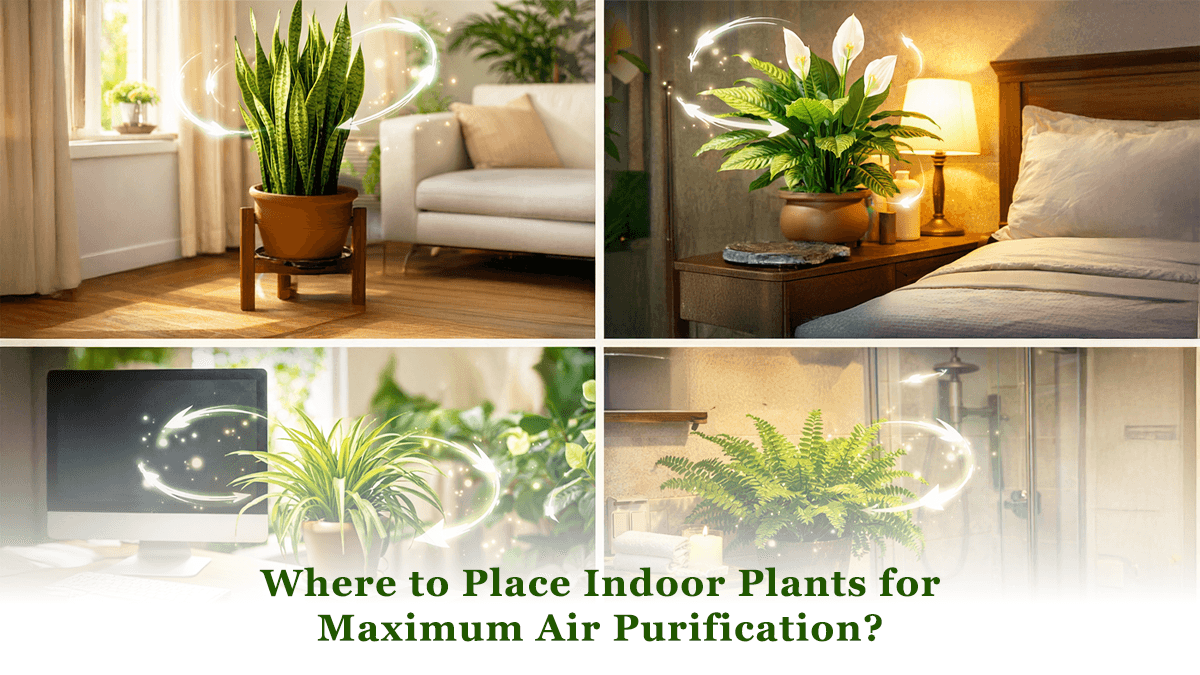
You can place indoor plants in these spaces for maximum air purification: In living rooms near furniture, on bedside tables and windowsills of bedrooms, near sinks and shelves of bathrooms.
Low-maintenance indoor plants actually do purify the air around us, and where you place them makes all the difference.
Here is the practical guide you can use when designing your home with indoor plants.
Do Indoor Plants Really Purify Air?
Yes, they absolutely do! Plants are nature's air filters. They absorb carbon dioxide and release oxygen, but that's not all. Many houseplants also remove harmful toxins like formaldehyde, benzene, and other pollutants that lurk in our homes from furniture, paint, and everyday products.
Best Placement For Indoor Plants
The following are the best places you put plants in your home.
1. High Traffic Areas
Your living room is where your family spends most of their time, so it deserves the best air quality. Here's where to place plants in your living room:
- Near the sofa or seating areas - This puts them right where you're breathing
- In corners - Dead spaces become air-cleaning powerhouses
- Near furniture - New furniture releases chemicals called VOCs, and plants help absorb them
2. Bedrooms
The best indoor plants for bedroom air work while you sleep.
Where to place plants in the bedroom:
- On nightstands - Perfect for smaller plants like aloe vera
- On windowsills - Great for plants that need more light
- In corners near the bed - Larger floor plants like peace lilies work beautifully here
Pro tip: Some plants, like snake plants, release oxygen at night instead of during the day. That makes them perfect bedrooms.
3. Home Offices
If you work from home, you need plants near your workspace. Computers, printers, and other electronics emit low levels of radiation and chemicals.
Best plants for office air purification placement:
- On your desk - Small plants like succulents or mini spider plants
- Near the computer - Snake plants are perfect here
- On nearby shelves - Eye-level greenery boosts mental health
- Floor plants beside your desk - Larger varieties like areca palms
4. Kitchen
Your kitchen needs serious air purification. Cooking releases moisture, odors, and sometimes harmful particles into the air.
Best spots for indoor plants in the kitchen:
- Near the sink - Plants love the humidity here
- On open shelving - Keeps them accessible and visible
- Away from the stove - Too much heat isn't good for most plants
5. Bathrooms
Bathrooms often get overlooked, but they're actually perfect for certain air-purifying plants. The humidity from showers creates a mini-tropical environment.
Where to position bathroom plants:
- On shelves above the sink
- On the toilet tank (if there's enough light)
- Hanging from the ceiling or shower rod
Boston ferns and peace lilies thrive in bathroom conditions and help control moisture and mold while purifying the air.
6. Near Windows (But Not Always)
While plants need light to grow, they don't necessarily need direct sunlight to purify air. The air-cleaning process happens through their leaves and roots regardless of light levels.
That said, healthy plants clean the air better, so give them appropriate light for their species.
What Houseplants Are the Best Air Purifiers?
Here are the best indoor plants for air purification:
1. Pothos (Money Plant)
Incredibly easy to grow and nearly impossible to kill, pothos is excellent for removing formaldehyde and carbon monoxide. It looks beautiful cascading from shelves or hanging baskets.
2. Spider Plant
These cheerful plants are safe for pets and fantastic at removing toxins. The spider plant's best location indoors is in medium to bright indirect light.
3. Aloe Vera
You might already know this one. Aloe Vera is everyone’s favorite plant because it can heal wounds and cuts. But it offers more than that. Since it removes formaldehyde and benzene from the air, you can place it near windowsills.
4. Peace Lily
They're perfect for bathrooms because they love humidity. The peace lily's air-purifying benefits make it worth the slightly higher maintenance.
5. Boston Fern
These lush ferns are humidity-loving air purifiers perfect for bathrooms. Boston fern air purification works best in indirect light with consistent moisture.
How Many Plants Do You Need for Air Purification?
Here's the honest answer: you'd need quite a few plants to significantly purify all the air in your home.
But don't let that discourage you! Even a few well-placed plants make a difference, especially in the rooms where you spend the most time. Plus, they bring other benefits like:
- Reduced stress and anxiety
- Increased humidity (helpful in dry climates)
- Better focus and productivity
Practical Tips for Indoor Plant Positioning for Air Quality
Mix heights and sizes: Use floor plants, tabletop plants, and hanging plants to purify air at different levels.
Focus on high-use rooms first: Bedroom, living room, and home office should be your priorities.
Consider air circulation: Place plants where air flows naturally in your home, not in stagnant corners.
Final Step: Get Air-Purifying Plants For Your Home
Our horticulture experts at Gulab.pk can help you pick the perfect air-purifying plants for your space. If you are looking for easy-care houseplants, chat with us today.
FAQs
1. Can plants improve indoor air quality significantly?
Yes, but realistically, they work best as part of a larger strategy. Combine plants with proper ventilation, air purifiers (if needed), and reduce pollution sources in your home.
2. Do plants need sunlight to purify air?
No, the air purification process doesn't require light. However, plants need adequate light to stay healthy, and healthy plants are more effective air purifiers.
3. Best plants for oxygen at night?
Snake plants, aloe vera, and orchids release oxygen at night instead of carbon dioxide, making them perfect bedroom plants for better breathing while you sleep.