 Chat to Order

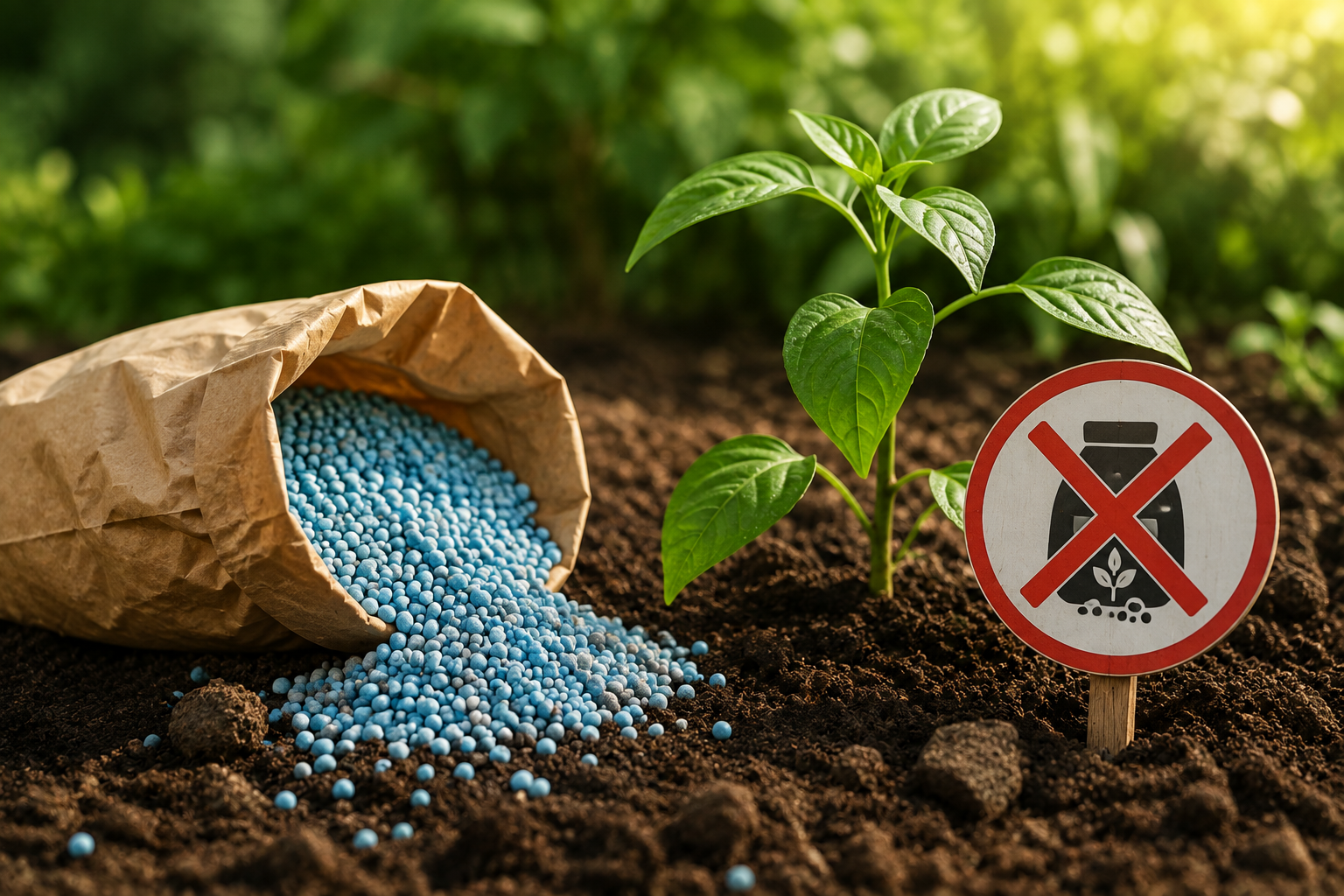
Common Mistakes When Using Chemical Fertilizers
As a horticulturist with over 10 years of experience, I’ve noticed that it is extremely necessary for gardeners to use chemical fertilizers efficiently to actually see the results.
If you've seen your plants wilting, turning yellow, or just not growing after feeding them often, you may be using fertilizers the wrong way.
Let's walk through the mistakes and how to fix them.
Most Damaging Mistakes That Hurt Your Plants and Soil Long-Term
Mistake #1: Over-Application
As a professional horticulturist, I’ve seen people make the single biggest mistake in chemical fertilizer: they apply too much product, too often. It makes sense to feed more to get better results, but too much fertilizer does not always lead to better growth.
Easy Fix: Stop all fertilizer, compost, and manure until the plant has completely recovered. Scrape off any white, crusty deposits of salt on the soil surface.
Mistake #2: Using the Wrong Fertilizer Formula
Every chemical fertilizer carries an NPK ratio. These numbers represent vastly different things for different plants and different soil conditions.
When the wrong formula is applied, a few damaging things happen simultaneously. For example,
- Nutrients accumulate in the soil
- Absorption of nutrients gets disturbed
- Soil's pH shifts in ways that further block nutrient availability
Easy Fix: Immediately stop using the fertilizer and identify whether you’re dealing with too much nitrogen or an overall excess of fertilizer.
Mistake #3: Not Doing Soil Testing
Soil testing before fertilizer application is the single most cost-effective step in any fertilization plan. It tells you exactly what is missing, what is already abundant, and which pH corrections are needed before you add anything.
Easy Fix: Test your soil today and solely fix the issue the test indicates.
Mistake #4: Wrong Application Timing
Feeding a dormant plant in winter, or a heat-stressed plant during a dry spell, wastes the input at best. Similarly, fertilizing right before heavy rainfall is another mistake people make when fertilizing the plants.
Easy Fix:
- Apply granular fertilizers over wet soil
- Heavy rain anticipated in next 24 hours? Skip applications
- Do not fertilize plants with apparent signs of dryness or heat stress
Mistake #5: Ignoring Long-Term Soil Degradation
One application of chemical fertilizer rarely destroys a garden. But using only chemicals to fertilize the soil every year without adding back organic matter makes the soil more acidic over time. Making this error takes a long time and is difficult to correct.
Easy Fix: Stop treating symptoms with more fertilizer.
Essential Precautions Before and During Chemical Fertilizer Application
There are three foundational precautions that every gardener and farmer should treat as non-negotiable.
- Test the Soil Before You Add Anything: Know the current nutrient levels, pH, and salt index.
- Read the Label and Respect the Rate: Every fertilizer has a recommended application rate calibrated for typical plant needs.
- Use Protective Equipment and Proper Storage: Chemical fertilizers are an irritant to the skin, eyes, and the respiratory system.
How to Spot Over-Fertilization Early and Fix It Before Permanent Damage Sets In
Fast-release chemical fertilizers can show visible damage on leaves within 24 to 72 hours. Slow-release formulas take two weeks or more to show the same signs.
Visible Signs That Your Plant Has Had Too Much Fertilizer
- White, gray, or yellow crust on the soil surface or pot rim.
- Brown, dry, crispy leaf tips and margins.
- Yellowing lower leaves, sometimes with prominent yellow veins.
- Sudden slow or stunted growth after a period of normal growth.
- Leaves and fruits drop.
Recovery Steps After Over-Fertilization
- Water deeply and thoroughly to leach excess salts downward through the soil profile.
- Remove heavily burned leaves.
- Do not fertilize for at least 4 to 6 weeks.
- If there is salt buildup and it’s bad, repot with fresh potting mix.
- Repeat soil test after 4 weeks.
Get High-Quality Fertilizers From Gulab.pk
At Gulab.pk, Pakistan's most trusted online plant nursery, we stock a carefully selected range of fertilizers, soil amendments, and plant care essentials. Whether you are growing vegetables on your terrace or managing a flower garden, our team can help you choose the right product at the right rate.
Frequently Asked Questions
What are the most serious problems caused by chemical fertilizer overuse?
Overusing chemical fertilizers causes fertilizer burn, root damage, soil acidification, and loss of beneficial soil microbes.
How do I know if the fertilizer I am using is the wrong type for my plants?
The clearest sign is when plants continue to underperform despite regular feeding. Yellowing leaves, poor root development, delayed flowering, or excessive leafy growth on a fruiting plant all suggest a nutrient mismatch.
What is the safest way to apply granular chemical fertilizers near plant roots?
Apply granular fertilizers to moist soil and keep them away from direct contact with the stem or crown of the plant.