 Chat to Order

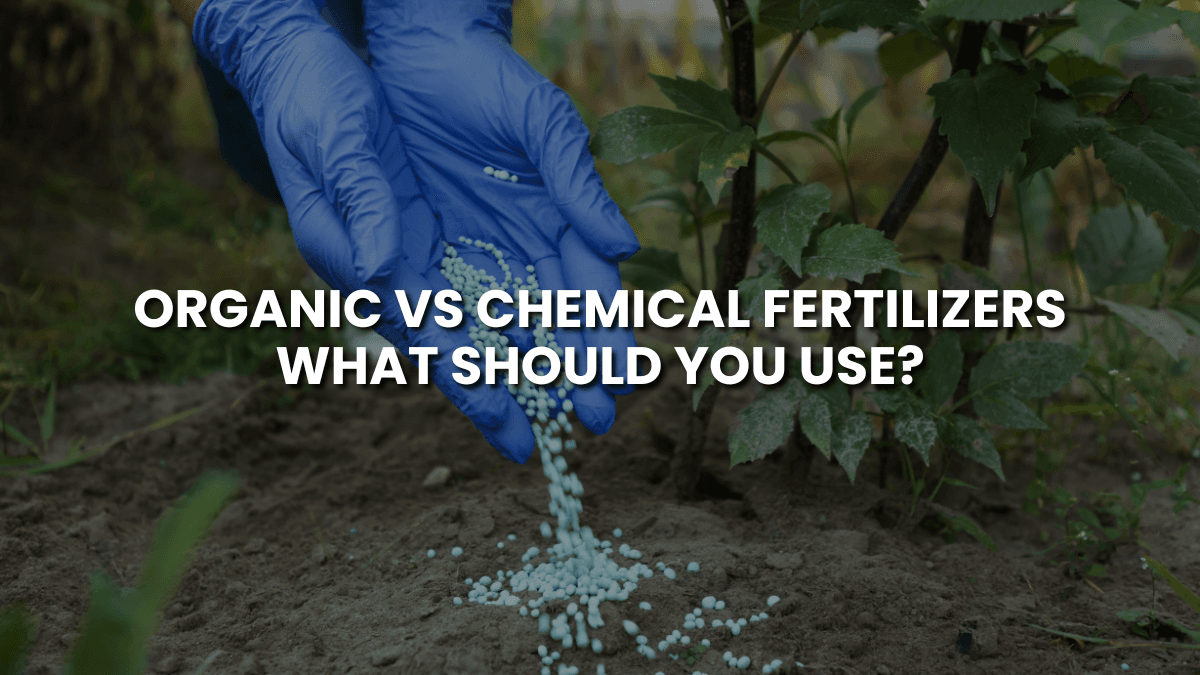
Organic vs Chemical Fertilizers: What Should You Use?
Organic fertilizers are generally the better long-term choice for most gardeners because they improve soil health, release nutrients steadily, and reduce the risk of plant damage. Chemical fertilizers, on the other hand, deliver fast, targeted results that suit specific short-term needs.
In the debate of what to choose from organic fertilizer or chemical fertilizer, the answer is that it depends on:
- Your plant's needs
- Soil type
- Your goals
- How much time are you willing to invest in taking care of your houseplants?
What Is the Difference Between Organic and Chemical Fertilizer?
There is a fundamental difference between organic and chemical fertilizers.
Organic Fertilizers
They come from natural sources such as decomposed plant matter, animal manure, bone meal, fish emulsion, and compost. They feed the soil ecosystem gradually, releasing nutrients as microbes break them down.
For example: Vermicompost, neem cake, blood meal, and seaweed extract.
Synthetic or Chemical Fertilizers
They are actually manufactured products that deliver concentrated, precise doses of nitrogen (N), phosphorus (P), and potassium (K) directly to plant roots.
Since they are manufactured to cater to the specific requirements of plants quickly, they are more famous commercially.
So, the main difference between synthetic and organic fertilizers is not just their ingredients but how they work.
Is Organic Fertilizer Better Than Chemical Fertilizer? Opinion of an Expert Horticulturist
As an expert horticulturist at Gulab.pk, I always suggest that you should analyse the condition and needs of their plant before choosing the type of fertilizer.
Organic fertilizer is best if you want to do gardening for the long term with environmental safety in mind. It improves soil quality and provides slow-release nutrition. On the other hand, chemical fertilizers provide precise and quick nutrition, which shows fast results.
Effect of Organic and Synthetic Fertilizers on Plant Growth
Both fertilizer types promote plant growth, but they do so through very different mechanisms.
Chemical Fertilizers (For Fast Results, Short Duration)
Synthetic fertilizers produce visible results quickly. If you treat your home lawn with a high-nitrogen chemical product, it can show green growth within days.
However, the effect is temporary. Chemical nutrients leach out of the soil quickly, especially with rain or irrigation. They also carry the risk of fertilizer burn
Organic Fertilizers (For Slower, Steadier, More Sustainable Growth)
The effect of organic fertilizers on plant and flower growth tends to be more gradual but far more sustained. Because nutrients are released as microbes decompose organic material, plants receive a slow and steady supply.
The research study reports that organic‑fertilizer treatments led to greater root length and number of roots per plant compared with inorganic‑fertilizer treatments.
Pros and Cons of Organic Fertilizers
| Pros | Cons |
| Organic fertilizer improves soil structure | You won’t notice visible growth quickly. |
| Organic fertilizer releases nutrients slowly, and it reduces the risk of burning plants. | Nutrient content can vary in organic fertilizer and is harder to measure precisely. |
| Organic fertilizers are derived from renewable, natural sources. | Organic fertilizers are often more expensive per unit and bulkier to store. |
Pros and Cons of Chemical Fertilizers
| Pros | Cons |
| Chemical fertilizers deliver nutrients quickly and in precise amounts. | Chemical fertilizers can reduce microbial life with overuse. |
| These are highly concentrated, so even a small amount is fine. | There is a risk of root burn, leaf burn, or salt stress if you use chemical fertilizer too frequently. |
| Chemical fertilizers are best for the short-term requirements of plants. | It can contribute to nutrient pollution. |
Can You Use Organic and Synthetic Fertilizers Together?
That’s another question that I asked a lot. The simple answer is yes, you can use organic and synthetic fertilizers together, and it can really boost the growth of your home lawn.
Many experienced gardeners use a base of compost or other organic matter to build long-term soil health, then supplement with targeted synthetic fertilizers when plants show deficiency symptoms. This hybrid approach gives you the quick effects of chemical fertilizers and the sustainability of organic fertilizers. Through this technique, you can basically get the best of both options.
Buy Organic Fertilizers from Gulab.pk for Thriving Home Gardens
From nutrient-rich organic composts to targeted plant feeds, Gulab.pk makes it easy to get the right product for your specific plants and goals. Explore our collection today and give your garden the foundation it deserves.
You can also get high-quality seeds and natural plants to grow in your indoor and outdoor garden.