 Chat to Order

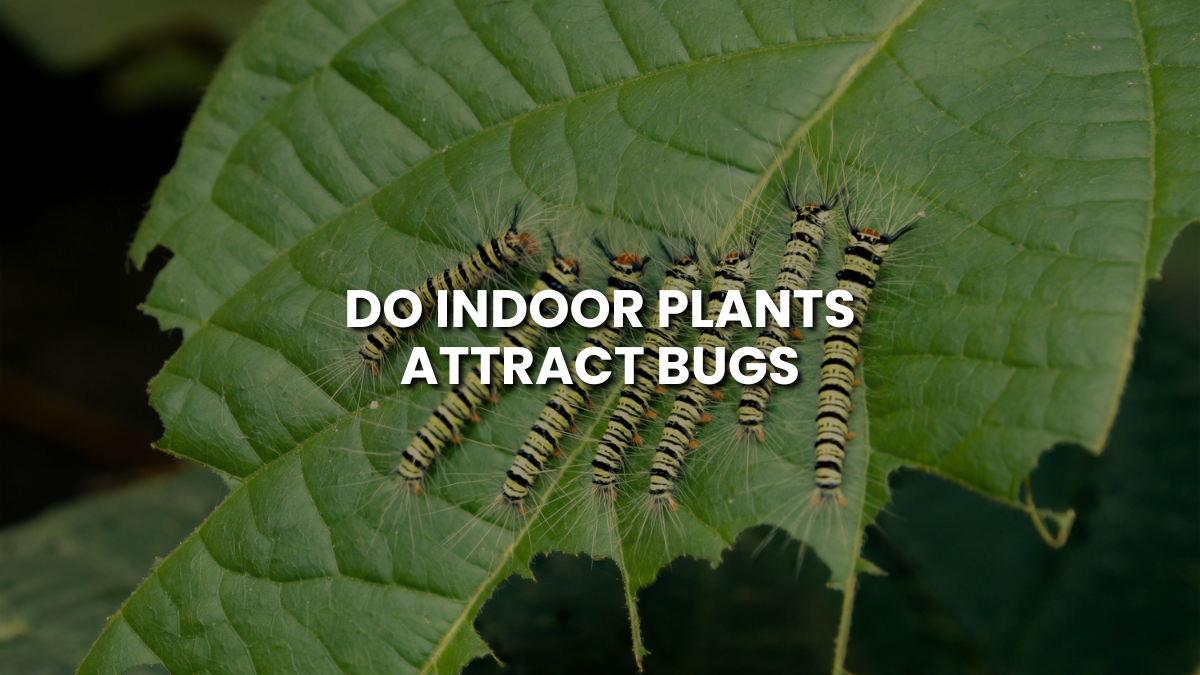
Do Indoor Plants Attract Bugs? (Myths, Facts & Easy Fixes)
Yes, indoor plants can attract bugs because they provide the perfect conditions to make them thrive.
But most infestations are preventable, and the right plant choices and care habits can keep your home nearly pest-free.
How Do Indoor Plants End Up With Bugs and Mites?
Most people assume bugs appear out of nowhere. In reality, pests reach your indoor plants through very specific routes.
The Most Common Entry Points for Pests to Reach Indoor Plants
New plants from a nursery or store
These are the number one source of indoor infestations. Always inspect leaves, stems, and the soil surface before bringing a new plant home.
Open windows and doors
They allow fungus gnats, aphids, and fruit flies to drift in, especially during warmer months. Once inside, they gravitate toward the moisture and organic matter in your plant pots.
Reused potting soil
The reused soil that was not sterilized can carry eggs and larvae from previous plants. This is particularly true for fungus gnats.
Contaminated tools and pots
They pass along spider mite eggs and scale insects without any visible sign until the population grows large enough to be noticed.
Which Bugs Are Most Commonly Found on Houseplants?
As an experienced horticulturist, I have seen many plants dying because of pests like ants, mosquitoes, and bugs. So, you should be well aware of the potential damage that they can cause.
Spider Mites
Spider mites thrive in warm, dry indoor air. They are not technically insects but arachnids, so wondering whether indoor plants attract spiders is partly accurate in this sense. Mites are often invisible until they form fine webbing on the undersides of leaves.
Fungus Gnats
Fungus gnats are tiny, mosquito-like flies whose larvae feed on organic matter and roots in moist soil. Overwatering is the single biggest trigger. If your soil stays wet for days at a time, gnats will find it. So, it is necessary for you to know how to water indoor plants correctly because that’s the only thing that can save your plant from fungus.
Ants
People often ask whether indoor plants attract ants, and as a professional horticulturist, I’d say: indirectly, yes. Ants do not eat plants, but they are strongly attracted to the honeydew secreted by aphids and mealybugs. Treat the underlying infestation, and the ants will eventually disappear on their own.
Mosquitoes
The relationship between indoor plants and mosquitoes is more about water than the plants themselves. Mosquitoes breed in standing water, not in soil. If you have saucers under your pots that collect and hold water for more than a few days, that can attract mosquitoes.
Which Indoor Plants Are Least Likely to Attract Bugs?
Some houseplants are genuinely less hospitable to common pests, either because of their natural oils, their low water needs, or the structure of their leaves.
The following are some houseplants that you should have if you want to keep them pest-free.
Succulents and Cacti
Succulents don’t need much water. So, their soil remains dry and inhospitable to fungus gnats.
Snake Plants
They are hardy, drought-tolerant, and rarely troubled by pests. The waxy and upright leaves of snake plants are not appealing to most sap-sucking insects.
Pothos
Pothos are resilient and generally pest-resistant when not overwatered. They are also an excellent starting point if you are new to growing plants indoors.
ZZ Plants
ZZ plants have naturally glossy, waxy foliage that makes it difficult for insects to get a foothold. They also store water in their rhizomes, so they need very little watering.
Cast iron plants and rubber plants
They are also rarely affected by pest problems and are easy to maintain, even for beginners.
If you are building an indoor garden from scratch and want a low-pest environment, you can order them from Gulab.pk, the best online plant nursery in Pakistan.
How to Get Rid of Bugs on Indoor Plants
After working as a professional horticulturist for almost a decade, here is what I’d suggest to remove bugs and pests from your indoor plants.
Step 1: Identify the Pest First
If you don’t know what type of pests have harmed your houseplant, you can’t really undo the damage. You might even need to use the magnifying glass to really see the bugs.
Tiny webbing means mites. Cottony fluff means mealybugs. Sticky residue with small clusters of soft-bodied insects means aphids. Small flies hovering around the soil mean fungus gnats.
Step 2: Isolate the Affected Plant
Move the infested plant away from others immediately. Many pests travel between plants easily, especially in tight indoor spaces.
Step 3: Clean the Leaves
It might not sound really effective, but physically wiping down leaves removes a significant portion of the pest. Keeping your plant leaves clean regularly is also one of the best preventive habits you can build. Dust and debris on leaves create shelter for insects and block light from reaching the plant.
Step 4: Apply a Treatment
Use these treatment hacks to bring your plant back to life.
- Neem oil is a naturally derived pesticide that disrupts the life cycle of the most common houseplant pests.
- Insecticidal soap works by breaking down the outer coating of soft-bodied insects.
- Diatomaceous earth sprinkled on the soil surface deters and kills crawling insects and fungus gnat larvae without any chemical involvement.
Expert Opinion:
For severe root-level infestations, repotting into fresh, sterile soil and treating the roots with a diluted hydrogen peroxide solution.
For a wider look at building a healthy indoor plant collection, you can explore all available houseplants or read up on caring for houseplants when life gets busy.
Buy Healthy and Affordable Indoor Plants From Gulab.pk
At Gulab.pk, we have decades of experience in selling plants that you can easily grow in your homes and outdoor gardens. Explore the collection and order your favorite indoor plants in Karachi today.