 Chat to Order

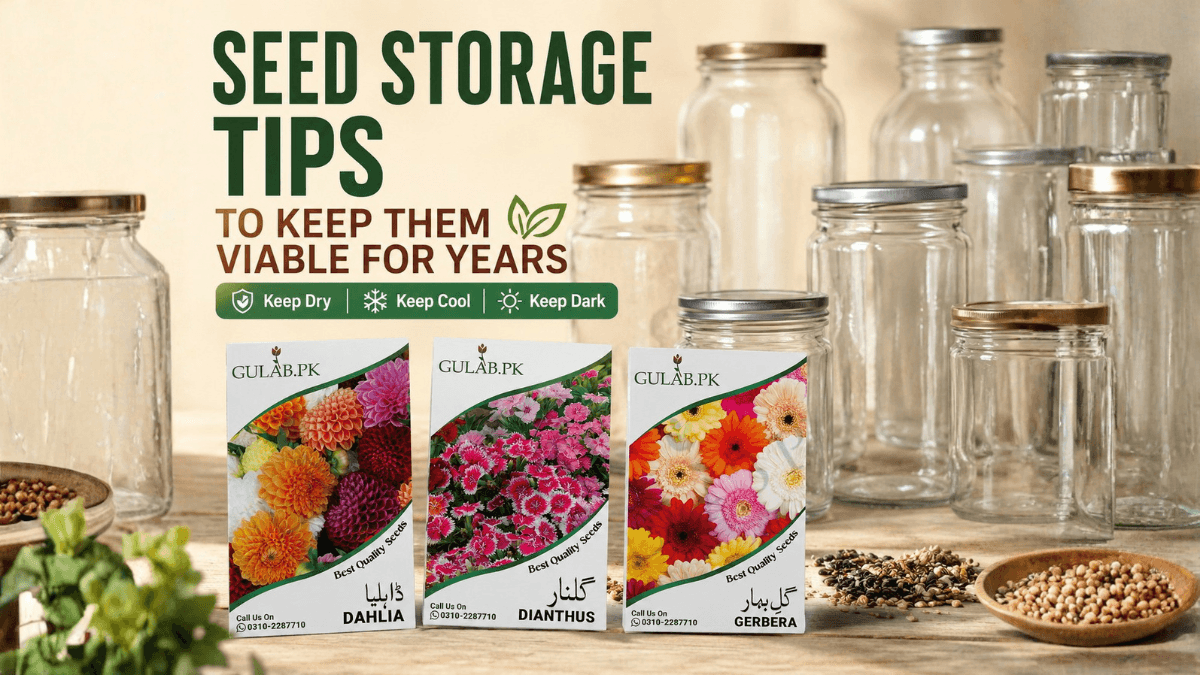
Seed Storage Tips to Keep Them Viable for Years
Seeds are alive. They breathe, age, and deteriorate based entirely on the environment around them. Therefore, it is necessary to store seeds in a proper place to keep them viable for years.
The place you are storing seeds in must have:
- Temperature under 0°C to 5°C
- Humidity below 50%
- Light exposure as close to zero as possible
A seed stored correctly in a sealed glass jar inside a refrigerator can outlast one left in a warm garage. That's the level of care you have to put in when storing seeds.
How to Store Seeds Long Term at Home?
Storing seeds for the long term requires four decisions: what container to use, where to keep them, and how to label them. Each decision compounds the others.
Dry the Seeds Completely
As a professional horticulturist, I advise everyone to always dry the seeds completely before storing them. Otherwise, they’ll mold or start germinating.
Top Tip:
Spread home‑harvested seeds in a single layer on paper in a warm, dry, shaded spot until they are brittle and make no sound when tapped.
Use Airtight, Moisture‑Proof Containers
Moisture is the main culprit in destroying the quality of seeds. Therefore, always use glass jars, metal tins, or rigid plastic containers with tight‑sealing lids. Make sure that you don’t use low-quality zip-lock plastic bags because humidity can pass through them over time.
Don’t forget to label each container with crop name, variety, and harvest/purchase date.
Store in a Cool, Dark Place
Lower temperature slows aging and doubles storage life roughly for every 5°C drop. The ideal temperature is around 4 to 5°C in an airtight container. It keeps most seeds usable for several years.
Common Seed Saving Mistakes and How to Avoid Them
Most seed storage failures come from a small set of predictable mistakes. Knowing them in advance prevents them entirely.
Storing Seeds Before They Are Fully Dry
This is the most common error. Seeds harvested from your home garden carry moisture from the plant. Storing them immediately in a sealed container traps that moisture inside. The result is mold, rot, and total loss of viability.
Fix: Dry seeds on a paper towel or mesh screen in a warm, well-ventilated room.
Mixing Old and New Seeds Without Labeling
Many gardeners combine older seed packets with new ones without noting the dates. Two or three seasons later, they cannot tell which seeds are fresh and which may have dropped below reliable germination thresholds.
Fix: Label every container. Include the variety name, harvest or purchase date, and the germination rate if you have tested it.
Skipping the Germination Test
Before planting season, test your stored seeds. Place ten seeds on a damp paper towel, fold it over, and keep it warm for the number of days listed on the seed packet. Count how many sprout.
Using the Wrong Location
This is the most common mistake I’ve observed in kitchen gardening. Many people keep seeds in a kitchen cabinet near the stove. It creates heat and humidity spikes every time you cook. A garage fluctuates between summer heat and winter cold, both of which damage seeds.
Fix: The right location for seed storage is stable, cool, dark, and dry year-round.
Does Storing Seeds in the Fridge Make Them Last Longer?
Yes, refrigerator storage extends seed life significantly, but only if you do it correctly. Refrigerators maintain temperatures between 35°F and 40°F, which is within the ideal range for storing seeds for the long term.
The critical rule is this: seeds must be completely dry before they enter the fridge. Cold air holds less moisture than warm air. When you remove seeds from a cold environment, they warm up and can absorb condensation from the surrounding air.
To avoid this, seal seeds in airtight glass jars with a desiccant before refrigerating. When you take them out, let the sealed jar warm to room temperature before opening it.
Should Seeds Be Stored in the Dark?
Light is not just an inconvenience for seeds in storage. It is an active trigger. So, you should always store seeds in a dark place.
At home, you can use opaque containers, store jars inside cardboard boxes, keep them in a closet or drawer, or wrap glass jars in paper. Any method that eliminates light exposure works.
Where to Buy Quality Seeds for Your Home Garden?
If you are in Pakistan and want to build a reliable seed collection without spending a lot, Gulab.pk is one of the most affordable and well-stocked online plant nurseries available. We carry a variety of vegetable seeds, flower seeds, herb seeds, and specialty varieties alongside plants and fertilizers.