 Chat to Order

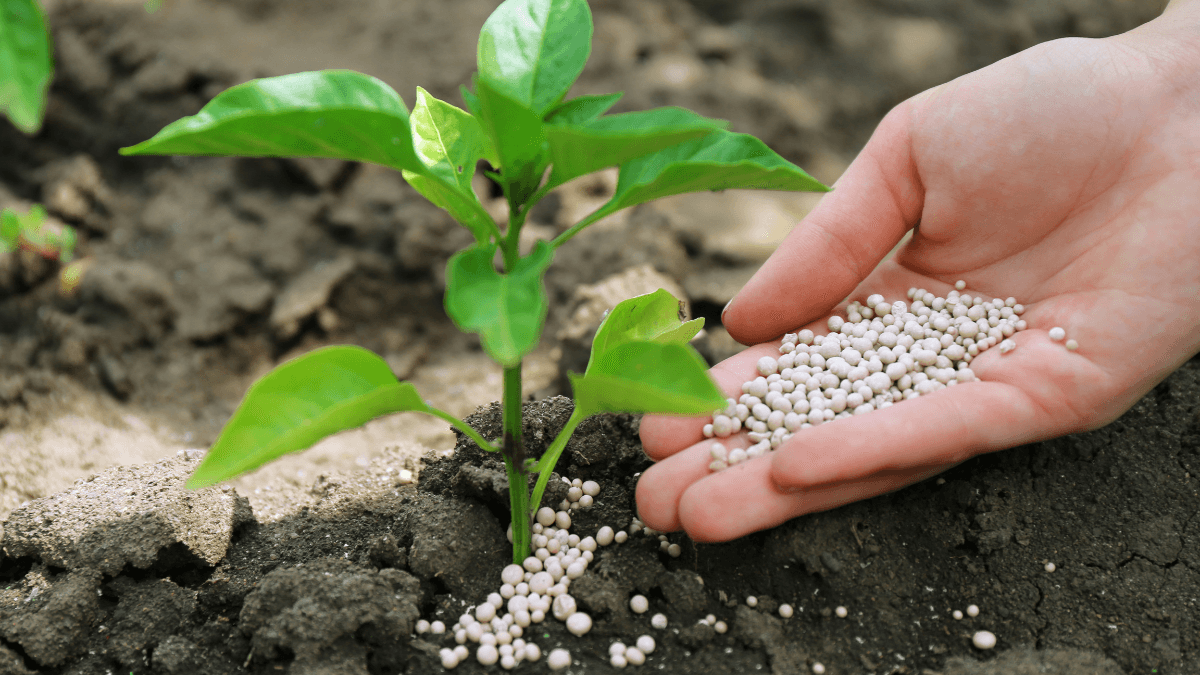
Which Fertilizer Is Best for Fruit Trees?
The best fertilizer for fruit trees is a balanced NPK formula (10-10-10 or 8-8-8) applied in early spring. Nitrogen is the most critical nutrient for growth, leaf production, and fruit quality. Young trees need a slightly higher nitrogen ratio to build roots and a canopy.
If you have a backyard mango, a potted lemon, or a row of guava trees, the right fertilizer at the right time can help you grow these fruit trees.
The Best Fertilizer for Citrus Fruit Trees
Citrus trees, including oranges, lemons, limes, and mandarins, have slightly different feeding needs compared to other fruit trees. They are heavy nitrogen feeders, and without enough of it, they show it fast: pale foliage, sparse blooms, and a disappointing crop.
The most reliable fertilizers for citrus fruit trees are nitrogen-forward blends in the range of 6-3-3 or 7-3-3. This ratio mirrors what the tree actually consumes during active growth and fruiting.
Citrus trees also need micronutrients, particularly zinc and iron. If the new leaves on your citrus look yellowish with green veins, that's a classic sign of zinc or iron deficiency.
How Much and How Often to Feed Citrus (According to Expert Horticulturist)
For mature citrus in the ground, three applications per year tends to be the sweet spot: once before bloom (January to February), once after fruit set (May), and optionally a third in June.
What is the Good Organic Fertilizer for Fruit Trees
Organic fertilizers for fruit trees feed the soil ecosystem that feeds the tree. Over time, they improve structure, water retention, and microbial activity in ways that synthetic fertilizers don't.
Compost is the single most effective foundation for long-term orchard fertility.
Bone Meal for Root Development and Fruiting
Bone meal deserves its own mention because it's so commonly misunderstood. With a typical NPK of 3-15-0, it's not a general-purpose fertilizer; it's a phosphorus and calcium supplement. That makes it particularly useful when you're establishing a new tree, since phosphorus plays a central role in root development.
Fertilizing Young Fruit Trees: Getting the Foundation Right
The nutritional needs of a young fruit tree are noticeably different from those of a mature, established tree.
The best fertilizer for young fruit trees is one that prioritizes nitrogen for canopy and root development, while avoiding excess phosphorus (which many soils already have in sufficient quantities). A ratio like 12-6-6 or even a simpler 10-10-10 works well in the first one to two years.
Application tip for young trees:
Always apply fertilizer within the "drip line" of the tree, the area under the outermost spread of the branches, not right against the trunk. This is where the feeder roots are most active.
When and How Often to Fertilize Fruit Trees
Timing is just as important as the product you choose. Applying the right fertilizer at the wrong time can either waste your effort or actively harm the tree.
- Early spring (before bud break): The most important feeding of the year. Nitrogen applied now fuels the flush of new growth, supports flowering, and sets up fruit set.
- Late spring (after fruit set): A second application of balanced fertilizer supports fruit development and keeps foliage strong through summer.
- Avoid late summer/autumn feeding: Nitrogen applied in late summer stimulates soft new growth that doesn't have time to harden before cooler weather, making the tree more vulnerable to stress and disease.
- Organic amendments (compost, manure): These can be applied in autumn under the canopy. They break down slowly over winter and become available just as spring growth begins, an elegant timing that synthetic fertilizers can't replicate.
A Simple Annual Feeding Schedule for Fruit Trees You Should Know
February: Balanced granular fertilizer (10-10-10 or organic equivalent) scattered under the drip line.
May: Light top-up with a nitrogen source (blood meal for organic, ammonium sulfate for synthetic) if growth looks sluggish.
Late October: Compost or well-rotted manure applied as a mulch under the canopy. Leave 15–20 cm clear of the trunk.
Common Fertilizing Mistakes to Avoid
- Over-fertilizing with nitrogen: More is not better. Excess nitrogen produces lush green growth at the expense of flowers and fruit. If your tree is all leaves and no fruit, this is often why.
- Fertilizing a stressed or drought-affected tree: A tree under stress can't process fertilizer efficiently. Feeding it in that state risks root burn. Address the stress first, then resume feeding.
- Skipping the soil test: Adding phosphorus to soil that already has plenty is a waste of money and can lock out other nutrients. A soil test every year or two prevents this entirely.
Buy Fertilizers from the Best Online Plants Nursery in Pakistan
Gulab.pk is Pakistan's top online nursery for gardeners who want quality. From organic fertilizers and compost to fruit trees, indoor plants, seeds, and growing supplies, everything you need is in one place.